Concorde: The Supersonic Legend That Defied the Sky
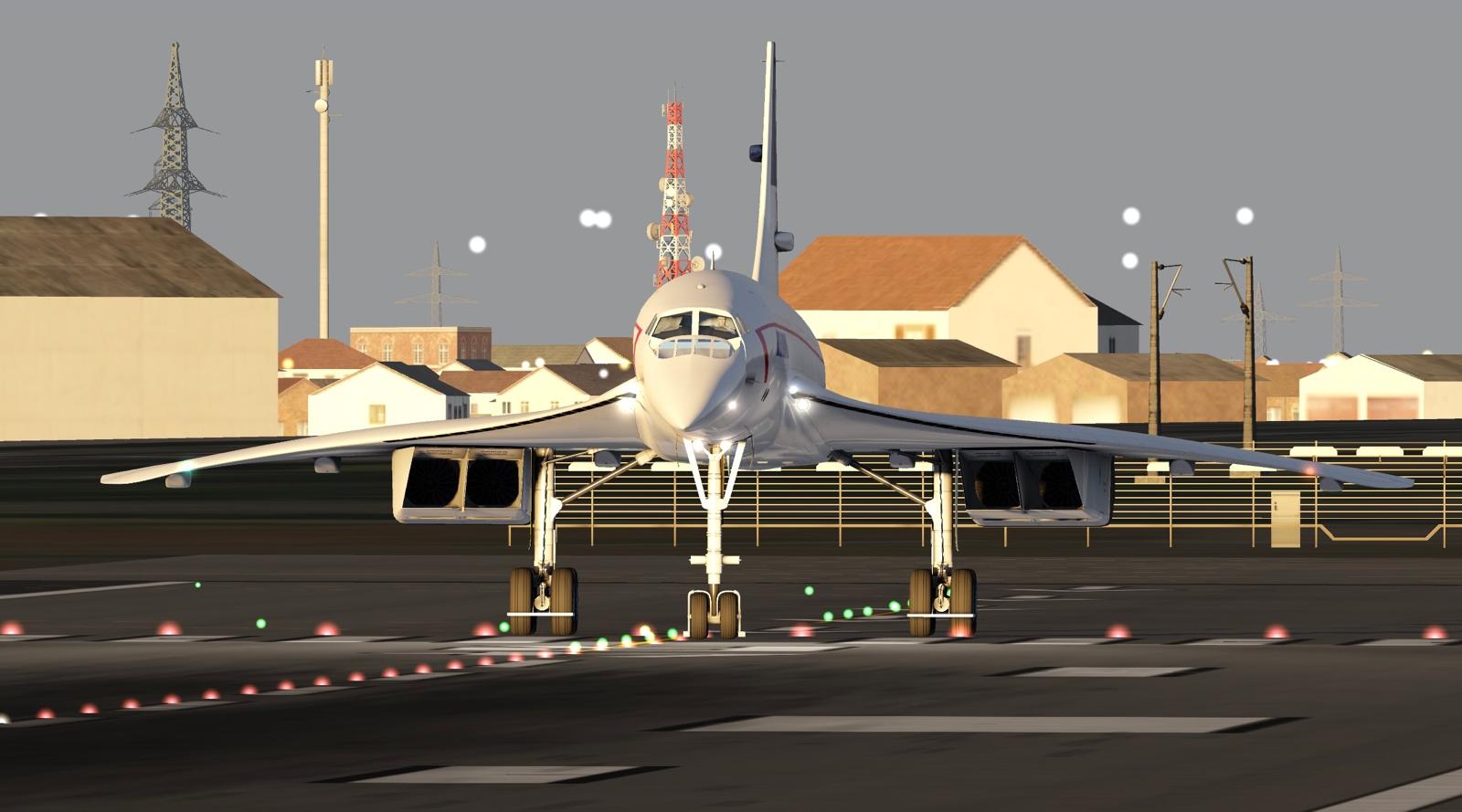
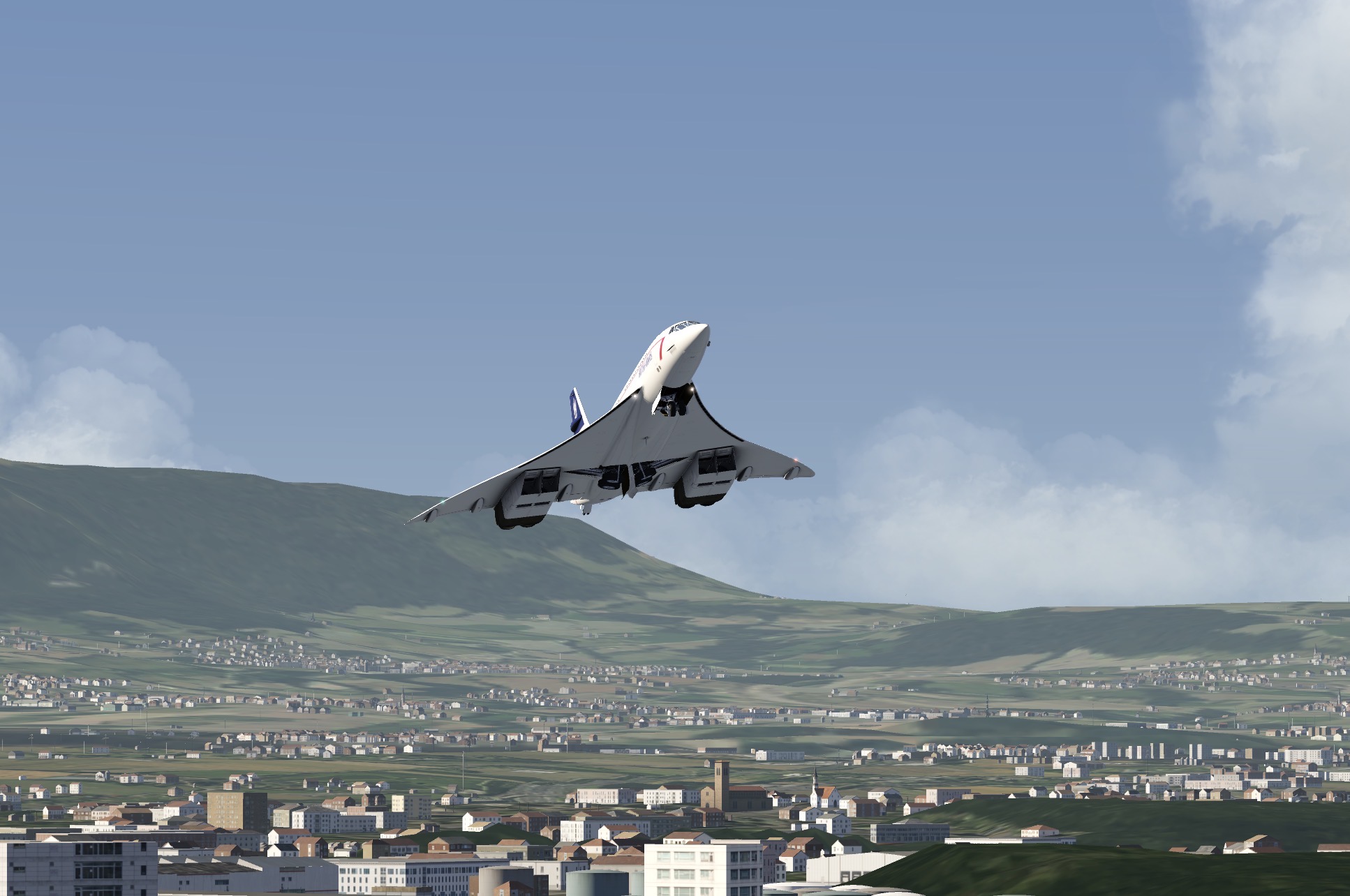
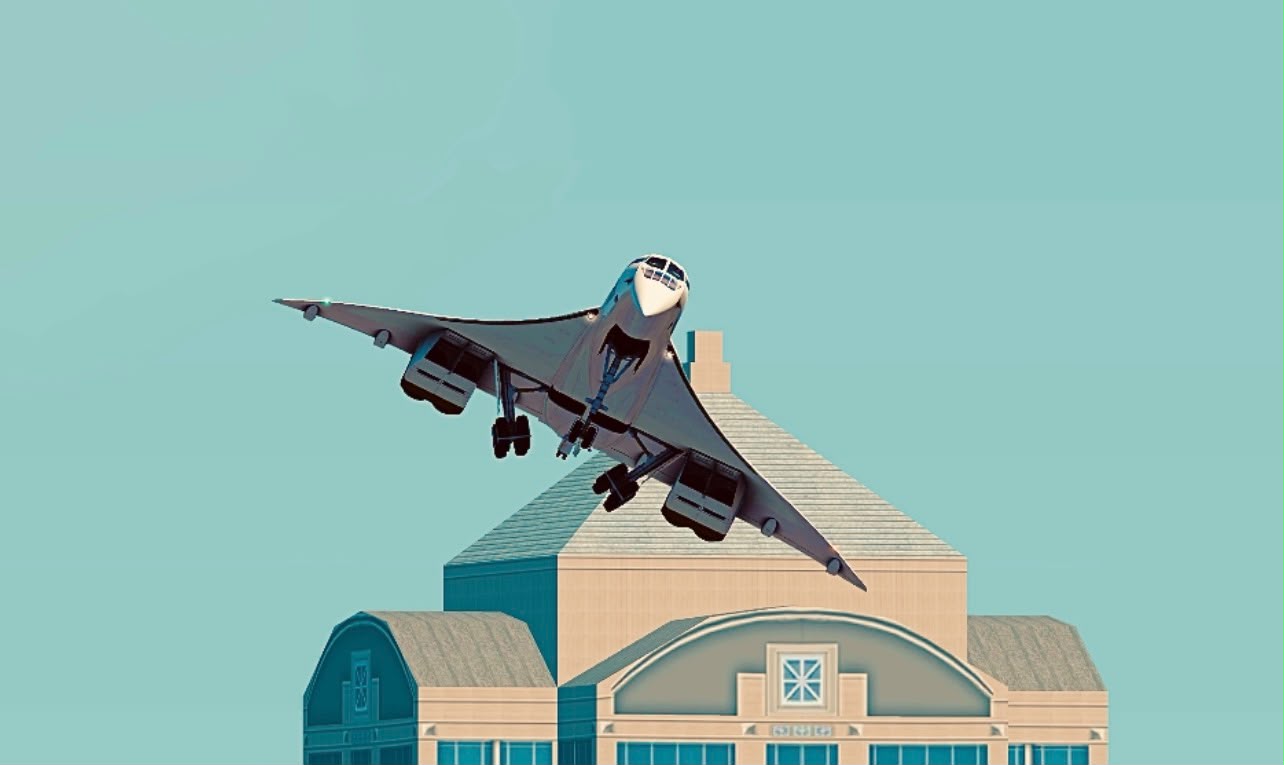
This image isn’t just any aircraft; it’s the legendary Concorde, an icon of engineering and design that brought supersonic luxury to the commercial skies. In its final configuration on landing approach, as depicted here with its iconic “droop nose” raised for visibility and landing gear down, Concorde was a sight that turned heads. Let’s explore the remarkable story of this “Queen of the Skies,” based on the spirit of this photograph.
The Supersonic Challenge
Flying faster than the speed of sound (Mach 1) presented monumental engineering challenges, far beyond those faced by subsonic aircraft like Boeing or Airbus jets. When an aircraft approaches the speed of sound, it creates intense shockwaves, generating tremendous drag.
Aerodynamic Design: Concorde’s distinctive ogoidal (S-shaped) delta wing was not just for show; it was essential. This shape, combined with its long, slender fuselage, allowed it to slice through the sound barrier with minimal disruption, generating the necessary lift for both high-speed cruise and low-speed handling.
The Droop Nose: To achieve its incredible high-speed performance, Concorde needed an extremely sharp, pointed nose. But this design would block the pilots’ view of the runway during takeoff and, critically, during landing, as seen in the image. The solution was an ingenious hinged nose that could “droop” downwards, providing clear visibility for the landing and then rise up to a streamlined position for supersonic flight.
Reaching Mach 2.0
Concorde didn’t just break the sound barrier; it cruised at more than twice the speed of sound—about 1,350 mph (2,170 km/h) or Mach 2.04. This was made possible by its four massive Olympus 593 turbojet engines. As the plane transitioned to supersonic speeds, unique variable air intake ramps (the rectangular boxes visible beneath the wings in the photo) were carefully controlled by computer to slow the supersonic air to the subsonic speed required by the engines. This careful management of the shockwave was key to its efficiency at high speeds.
The Passenger Experience
Flying aboard Concorde was a different experience than any other commercial flight.
The Speed: Passengers would feel a gentle “kick in the back” as the afterburners engaged for takeoff. The flight itself was smooth above the weather. After crossing the Mach 1 threshold, the sonic boom was only heard far below, while those inside cruised silently through the stratosphere.
The Luxury: In its prime, a ticket on Concorde was a status symbol. The cabin was narrower than a standard jet, but it offered unparalleled service, gourmet meals, and the fastest way to cross the Atlantic—a flight from New York to London in just under 3 hours, compared to 7 hours for conventional planes.
Final Approach to History
Concorde represents the pinnacle of civil aviation ambition, a technological marvel that operated from 1976 to 2003. While it faced challenges, including high fuel consumption and the environmental impact of sonic booms, it remains a beloved symbol of speed and innovation. Today, these magnificent aircraft are preserved in museums around the world, where they continue to inspire awe and wonder.
This image, capturing Concorde’s final moments in the air, is a poignant reminder of when the world truly felt smaller, and human ingenuity seemed boundless in the pursuit of speed.