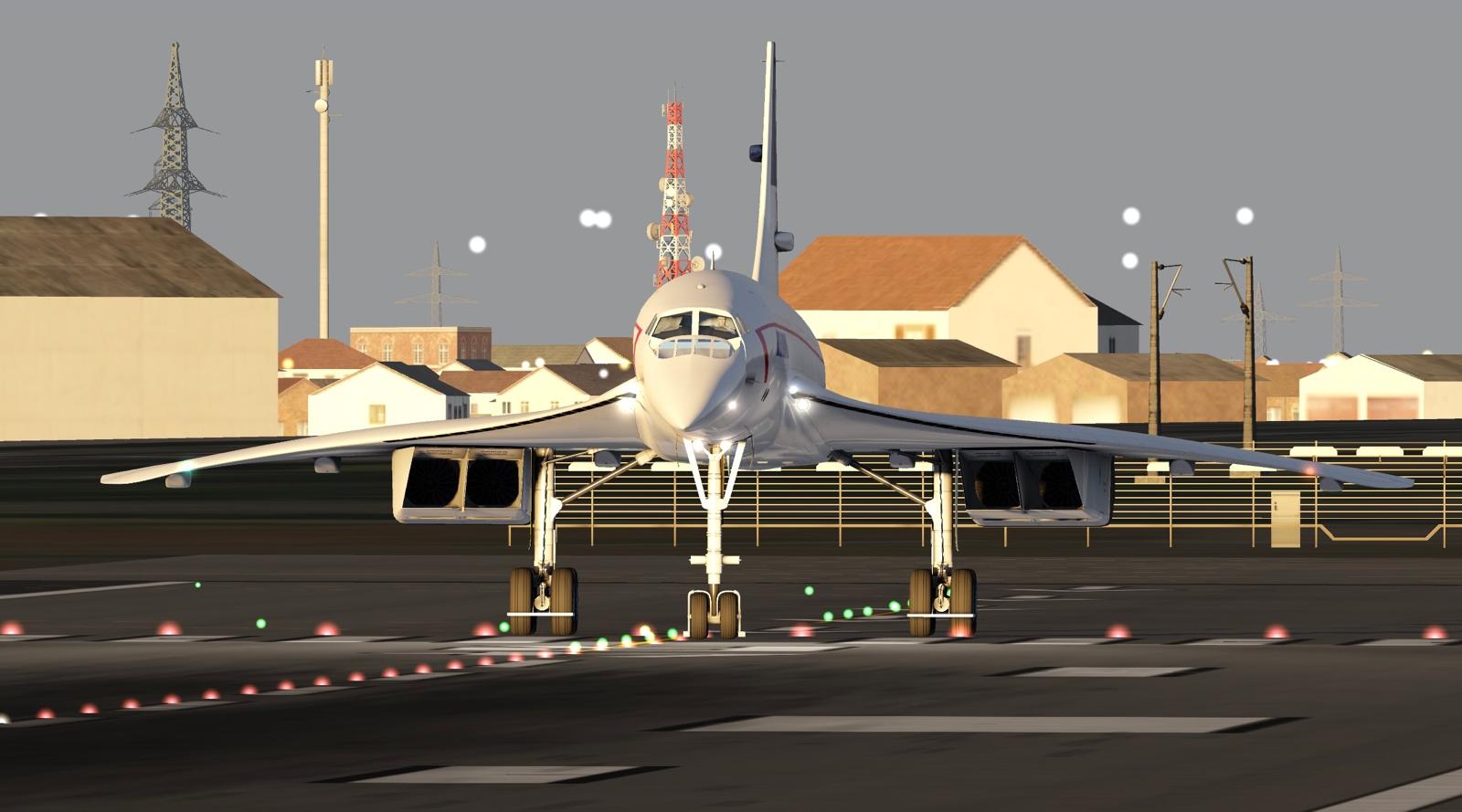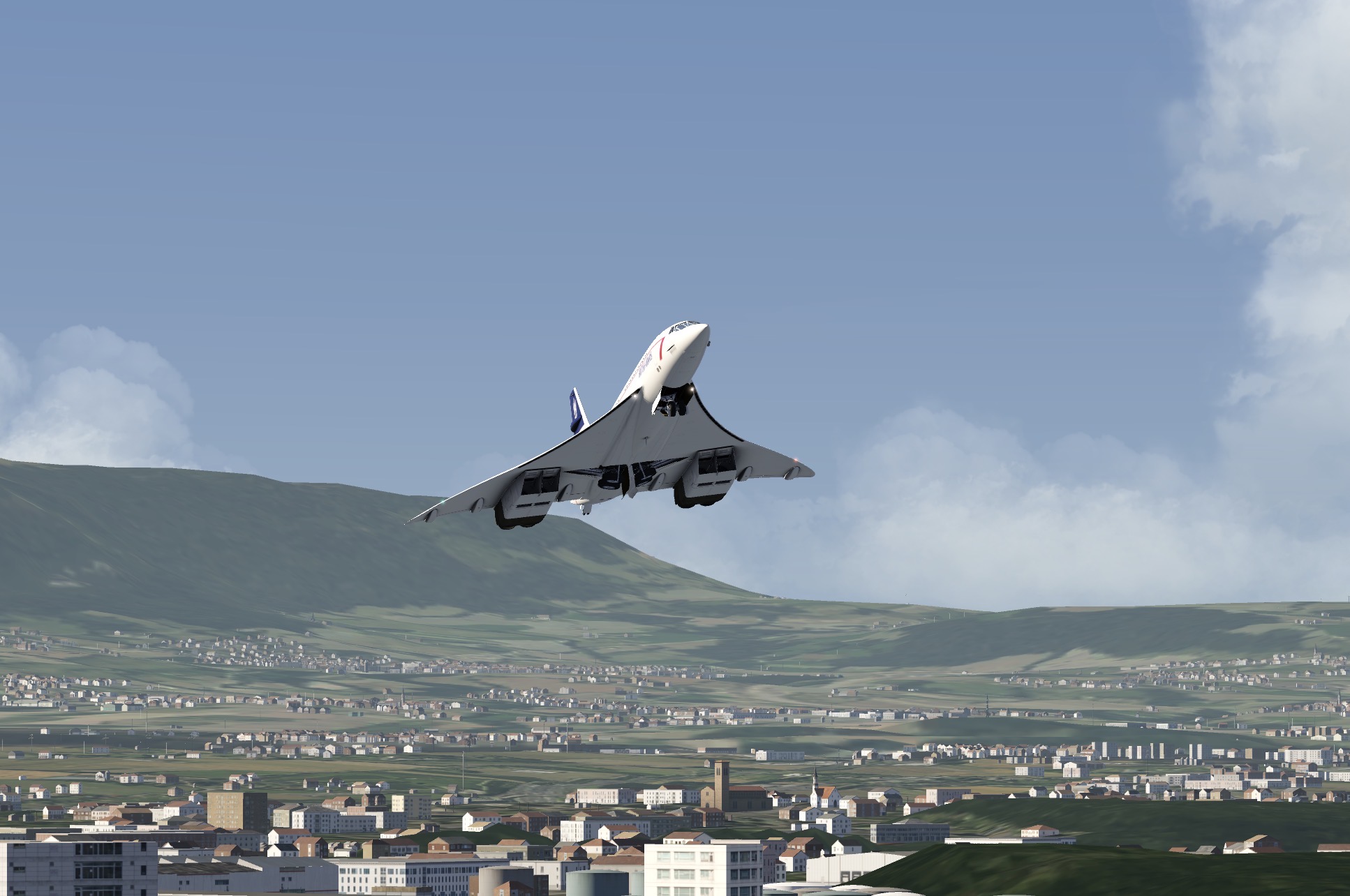
If you are an aviation enthusiast, flight simulation fan, or just someone who loves high-stakes travel adventures, you have probably heard of TFFJ—more commonly known as the Gustaf III Airport in St. Barthélemy.
Famous for its dramatic location and postcard-worthy views, TFFJ is widely recognized as one of the most dangerous and challenging airports in the entire world. But what makes landing a plane here such a terrifying ordeal? Let’s break down the extreme challenges of this Caribbean aviation icon.
The Infamous Hill Approach
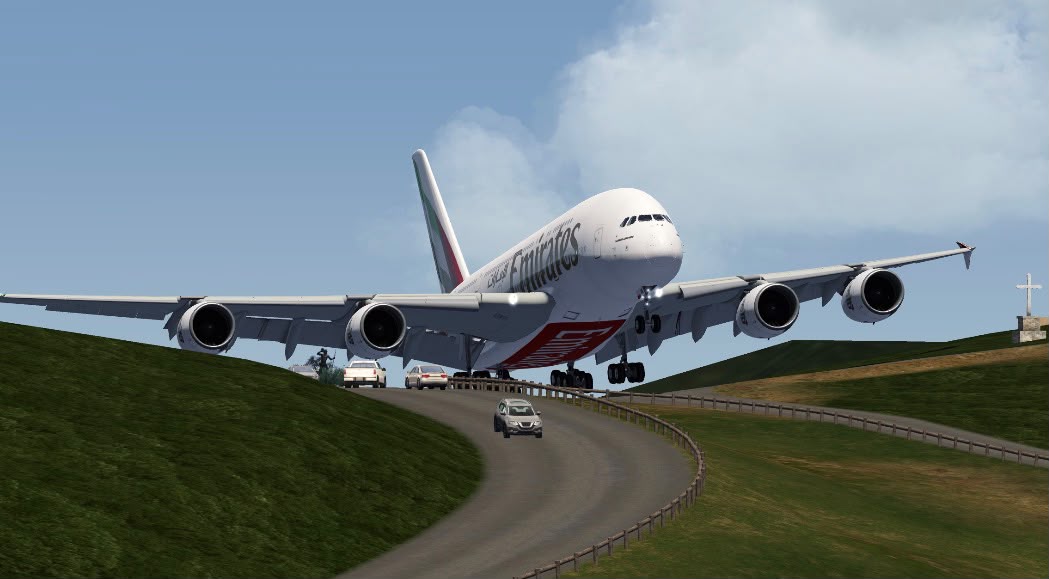
The biggest hazard at TFFJ begins long before the wheels touch the pavement. When landing on Runway 10, pilots must approach over a steep hill. Because of the surrounding terrain, aircraft have to dive down sharply at a steep angle, skimming right over a public road and a busy traffic roundabout just a few dozen feet above cars and pedestrians!
A Dangerously Short Runway
Once you clear the hill, you are met with a runway that measures a mere 2,133 feet (650 meters) long. To put that into perspective, commercial airliners usually require thousands of feet more to safely decelerate. At St. Barts, there is zero room for error. Pilots must execute a firm touchdown right at the very threshold of the runway.
The Ocean Finish Line
If stopping a plane on a short strip isn’t hard enough, the runway slopes slightly downward and ends directly on the white sands of St. Jean Beach, spilling right into the turquoise waters of the Caribbean Sea. If a pilot misjudges their braking speed, the flight ends with an unplanned swim!
Strict Special Certification
Because of these extreme environmental hazards, regular commercial pilots cannot simply fly into TFFJ. Aviation authorities require pilots to undergo rigorous specialized training and obtain a special endorsement before they are legally permitted to operate a landing on the island.
Final Thoughts
Whether experienced in a flight simulator (like the massive aircraft pictured navigating the tricky terrain) or witnessed in real life from the nearby beach, TFFJ remains a marvel of human engineering and aviation skill. It turns a routine flight into an absolute masterpiece of adrenaline and precision!